From December 1st until Christmas Day, Simos Standpoints presented its series ‘The Cultures of Christmas.’ Here is what people from all over the world had to say about how they celebrate Christmas in their country!
❄️The Cultures of Christmas- SWEDISH ❄️
“Christmas in Sweden is the cosiest time of the year! Since we only get a few hours of daylight in winter, we make sure to light a lot of candles to create strong Christmas feelings, weeks before the ‘big day.’ Every year from December 1st, the most famous TV channel in Sweden broadcasts a daily Christmas show. These 15 minute episodes start before sunrise at 7.30am and are enjoyed by both children and adults before heading off to school and work. The translated name of this tradition is “The Christmas Calendar,” as it simply shows 24 days until Christmas Eve.
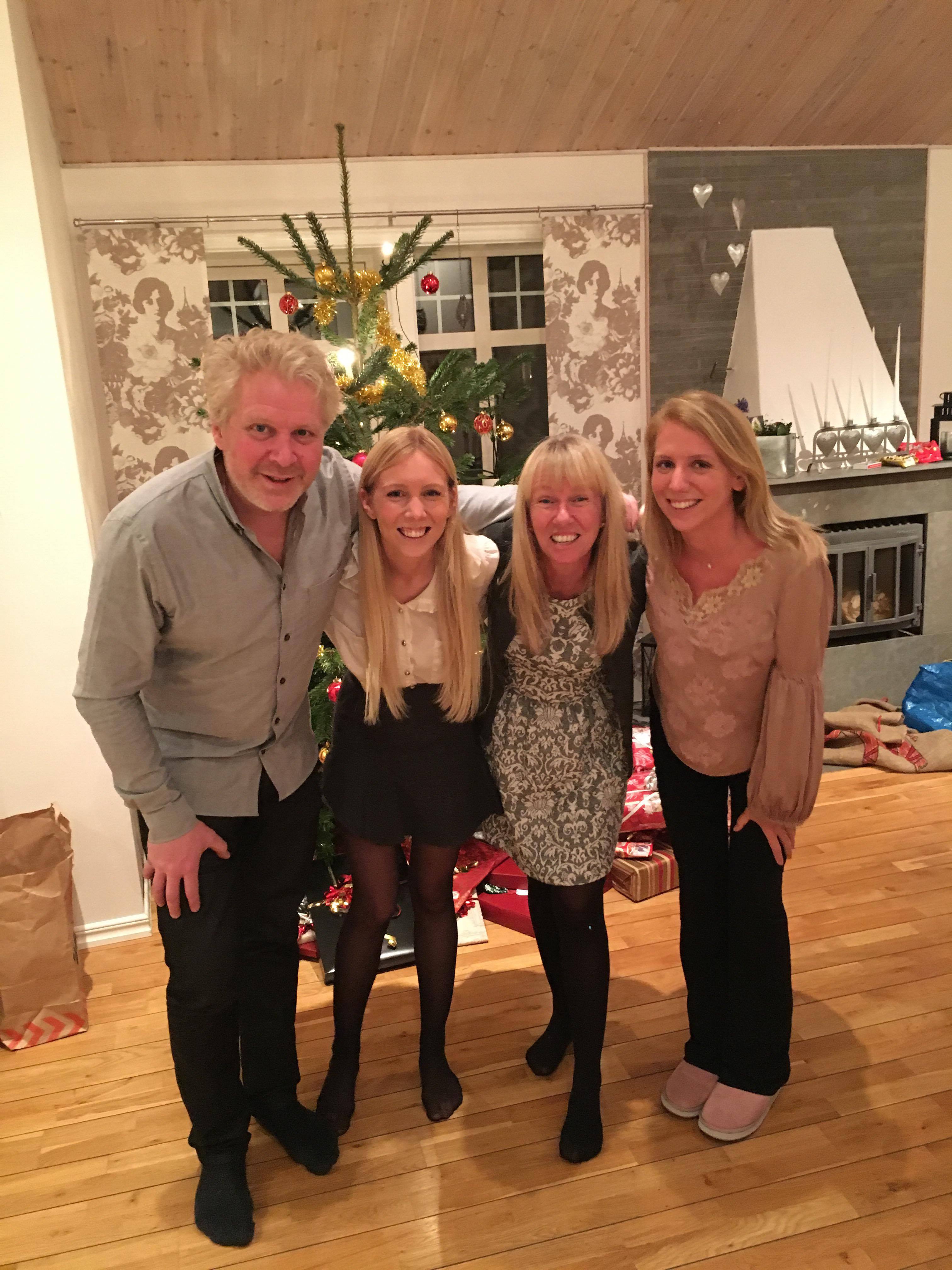
“Julafton” is the Swedish word for Christmas Eve and it is the most important day of the weekend. For people like me who grew up in the southern parts of the country, we always wish for snow the days before (which we get if we are very lucky).
For Swedes, eating lunch together is a crucial part of the Christmas experience. In fact, this feed looks similar to most households. A smorgasbord with everything from meatballs to herring is served together with shots of schnapps, which we drink after singing traditional melodies. For dessert, we eat homemade ginger bread cookies and sweet saffron buns (similar to cinnamon scrolls).
As in many cultures, a Swedish Christmas is all about celebrating with family. Some homes get a visit from Santa, while some watch movies together. Most importantly, all Christmas activities should be done together and that is the reason why I love this holiday. In my family, our evening is spent with board games and cheese platters, which we enjoy all the way into Christmas Day.” – Evelina.
🎄The Cultures of Christmas- LEBANESE 🎄
“Christmas is one of the biggest festive seasons in the Lebanese calendar. It is a religious event which is not only predominantly celebrated by Lebanon’s Christian sects but also by the country’s Muslim and Jewish populations.

Lebanese people have maintained a reputation of going above and beyond regular expectations, especially when it comes to Christmas celebrations. My family is no exception. Every year, my dad and I spend time putting up the Christmas lights, nativity scenes and Christmas trees around the house. The nativity scene is regarded as the most important Christmas display within a Lebanese Christian household.
While religious celebrations are widely conducted on Christmas Day, the Lebanese also have a tradition of conducting mass early on Christmas morning. Like our houses, the churches are also decorated with lights, trees and also the nativity scenes. Upon waking up on Christmas Day, the house is already filled with Christmas songs mostly played in Arabic, and this continues to play throughout most of the day and into the night.
Christmas dinner is a time to gather around and to showcase the best Lebanese foods of all kinds. On this occasion, certain foods are cooked only for Christmas Day, such as the ‘kebbeh pie,’ which is an oven baked mixture of minced meat and pine nuts. However, the Lebanese also maintain some of their French influences through the ‘buche de noel,’ which is a famous French eggnog ice cream dessert.” – Antonio.
🌟The Cultures of Christmas- CROATIAN🌟
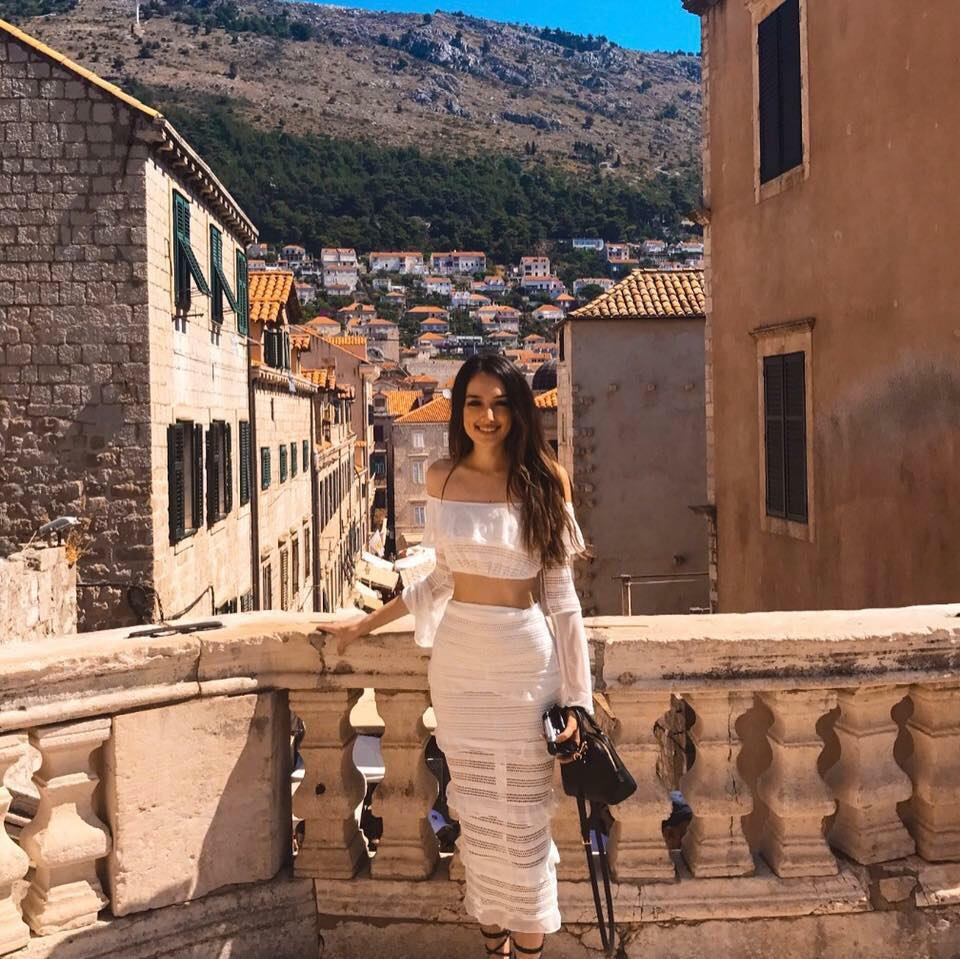
“Christmas for Croatians is undoubtedly the most important holiday of the year, as it encapsulates everything our culture believes in – food, family and faith. For Croatians, Christmas starts on Christmas Eve with everyone attending midnight mass. Christmas Eve mass is very important for Croatian children as they dress up and reenact the Christmas Story.
Christmas Day is essentially filled with lots of food and family celebrating the most loved holiday of the year. Straw is placed underneath the table where the food will be eaten on and Christmas wheat is tied with ribbon in the Croatian colours of red, white and blue.” – Natasha.
✨The Cultures of Christmas- IRISH✨

“Christmas is definitely a very important date in the Irish calendar! It’s wonderful to walk along Grafton street and watch the twinkling lights, hear the carol singers and see the magical Christmas tree! On Christmas Eve, you might leave a carrot for Rudolph and on Christmas Day many families attend a church service. My family like to make a Yule Log cake which has almost as much icing as cake (absolutely nothing to do with me I promise). Nollaig Shona Duit is Merry Christmas in Irish.” – Sophie.
🎄The Cultures of Christmas- FINNISH🎄
“On the 24th, we have breakfast with a rice porridge which has an almond in it. Whoever gets the almond, marries or gets luck for the new year. You take your pick. Only one almond is allowed per porridge, but the trick is eating the porridge on many occasions so you can have more chances to get lucky.
At 12 o’clock, Christmas officially begins with a declaration of peace. It takes place in my hometown, Turku, with citizens gathering on a balcony and this is broadcast live on national TV. The Navy Band plays, people sing and somebody from the city reads a declaration. When we get home, we raise a mug of Glögi- a spicy juice, spiked to taste, although we usually skip the spiking. Then it is time for last minute preparations and sauna (which is a huge part of Finnish culture).
The feast begins in the afternoon: ham, gravy, oven-cooked potato, carrot and turnip mash, salmon, cheese, jam, peas, rosolli (beetroot/apple/onion salad), salad, bread, joulutorttu (christmas tart with plum and apple jam filling), rice porridge (yes, again) with sekametelisoppa (“mishmashracketsoup”), chocolates and gingerbread. We get pretty stuffed.
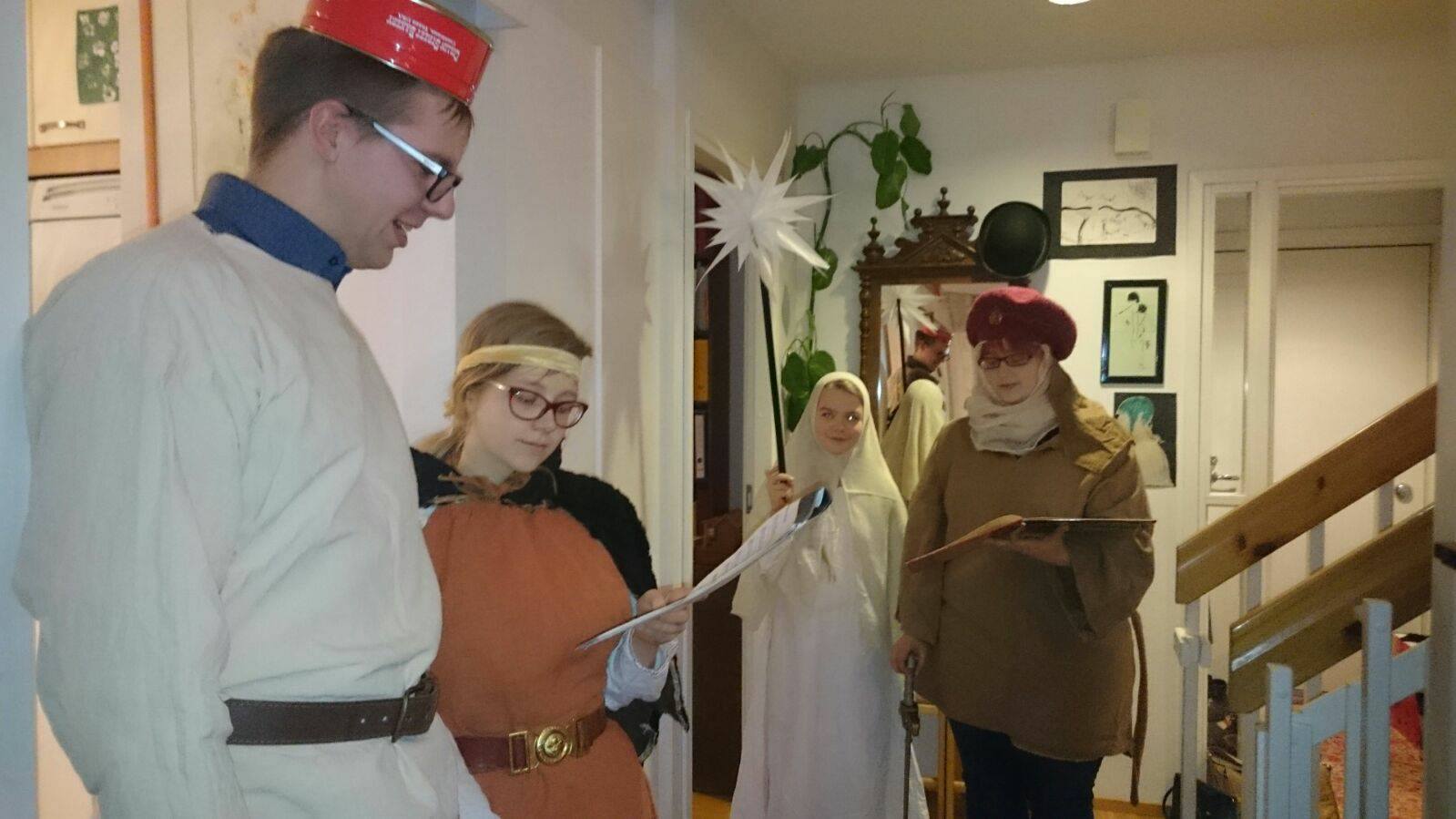
Then there is Tiernapojat (aka Star singers). This means four unlucky members of the family are made to dress up and sing a few specific carols. I pretend that this is a drag, but if I speak in earnest, it is usually hilarious.
Christmas isn’t complete without Santa who arrives in the evening, bringing a bag with him. He gets a couple of songs before he sets off on his way again and then there is a hustle over the gifts. The night is spent snacking on leftovers and taking advantage of a movie, a game or books that appeared from the bag.” – Paula.
🎅🏻 The Cultures of Christmas- AMERICAN 🎅🏻
“In the United States people celebrate Christmas by leaving their family to go shopping on Thanksgiving. Black Friday starts Thursday night now. People fight for cheap things they don’t need. Christmas shopping is what saves the retail industry. On Christmas Day, people get together with their families to open presents.
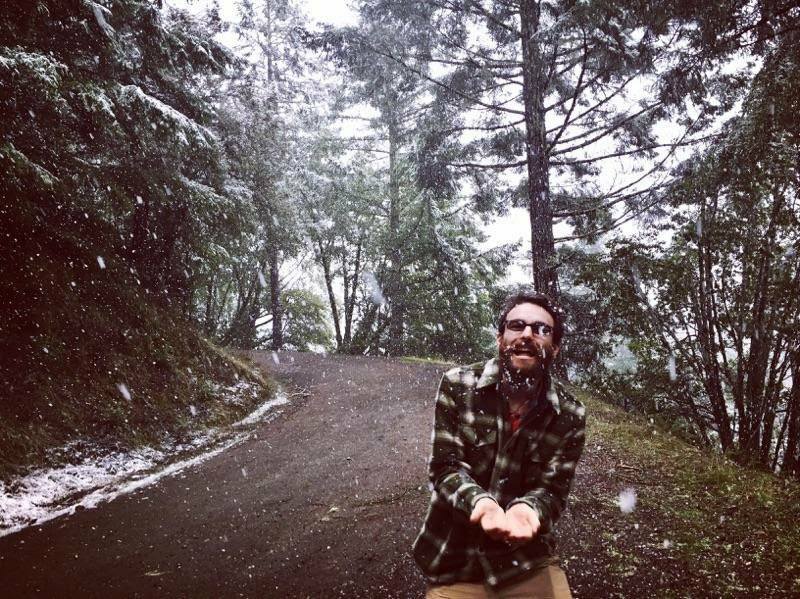
Last Christmas, I threw a party for all my friends from out of town or who don’t celebrate Christmas. We had a big dinner, drank, played games, and shot fireworks at each other. That is a Christmas tradition I would love to continue.” – Alan.
🌟 The Cultures of Christmas- AUSTRALIAN 🌟
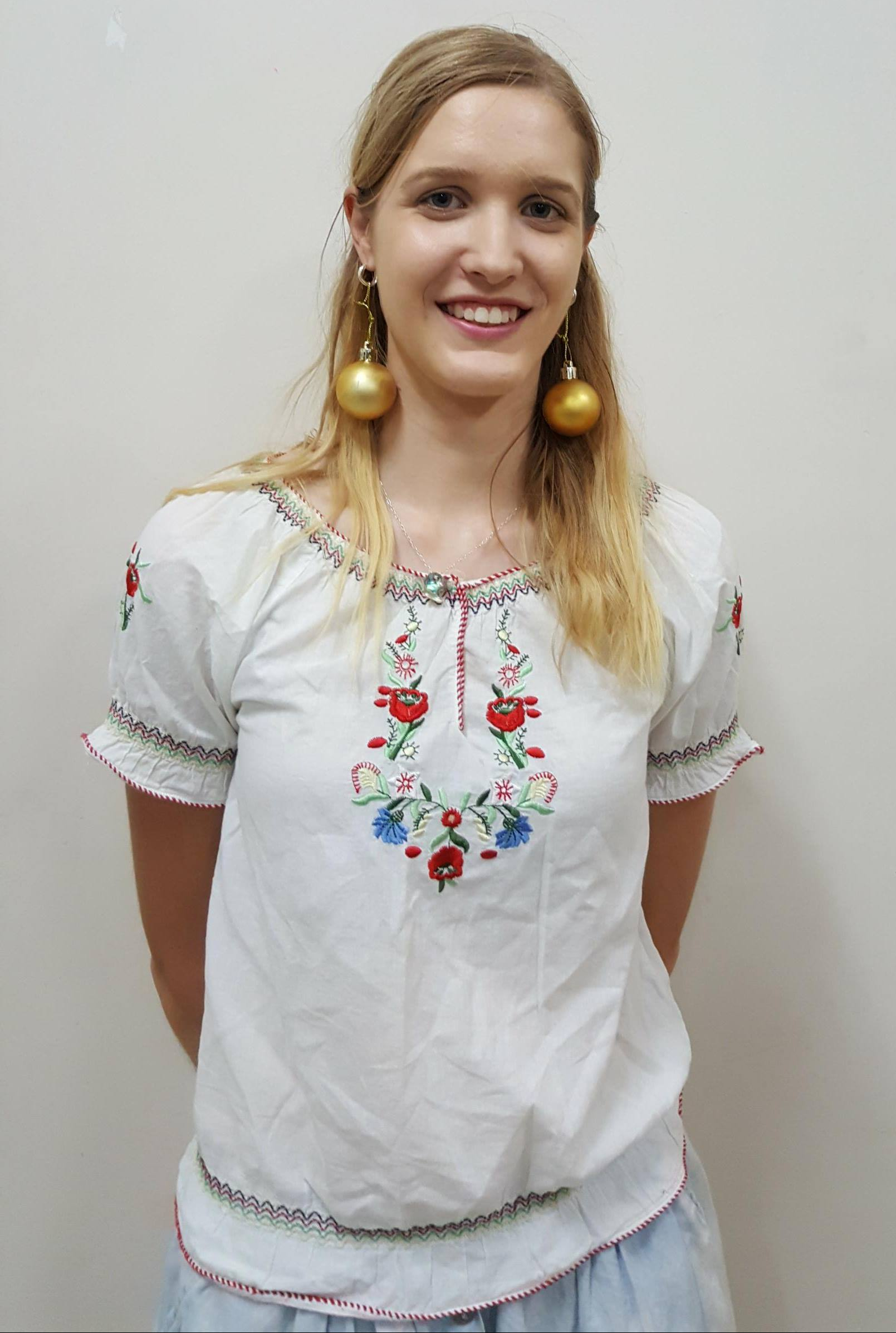
“Before Christmas we put up our tree (usually on the 1st of December) and Christmas lights. We also go around the neighborhood looking at Christmas lights. I go on our annual Christmas walk at church, and on Christmas Eve we watch Carols in the Domain and I listen to Christmas carols on repeat.
On Christmas Day, my family wakes up early and we open our presents then we meet up with our extended family and have a big lunch. Traditionally, it has been turkey, ham, roast, veggies, pudding with brandy custard and shillings hiding in it, pavlova and so much more. But recently we have broken the tradition and the family cooks whatever they feel like! Every 4 years it is our family’s turn to host the Christmas lunch.” – Emily.
🎁 The Cultures of Christmas- GERMAN 🎁
“As far as I remember, my family have spent every Christmas together. Every year it is very stressful to think about the presents because it feels like a duty to give away a little present to every family member.
In the evening of December 24th, we go into the church, listen to speeches, watch the nativity play and sing some songs. It´s a five minute walk from home and sometimes we get some falling snow. Although presents are not the main part, we still have an old tradition of the “little unwrap game” where every present being opened gets attention. Normally we have a Christmas tree but this year it will probably be a decorated ladder.
The raclette dinner is my absolute favorite part. You got a lot of combination possibilities and it´s not that fast as a normal dinner so you feel really connected to everyone. When we were young, we played with our new toys after the dinner but nowadays, we just try to do something together like watching a movie.
During the next few days, we visit our grandparents and have a big meal again! This is my Christmas in Germany and I really love it.” – Silas.
🎅🏻 The Cultures of Christmas- FRENCH 🎅🏻
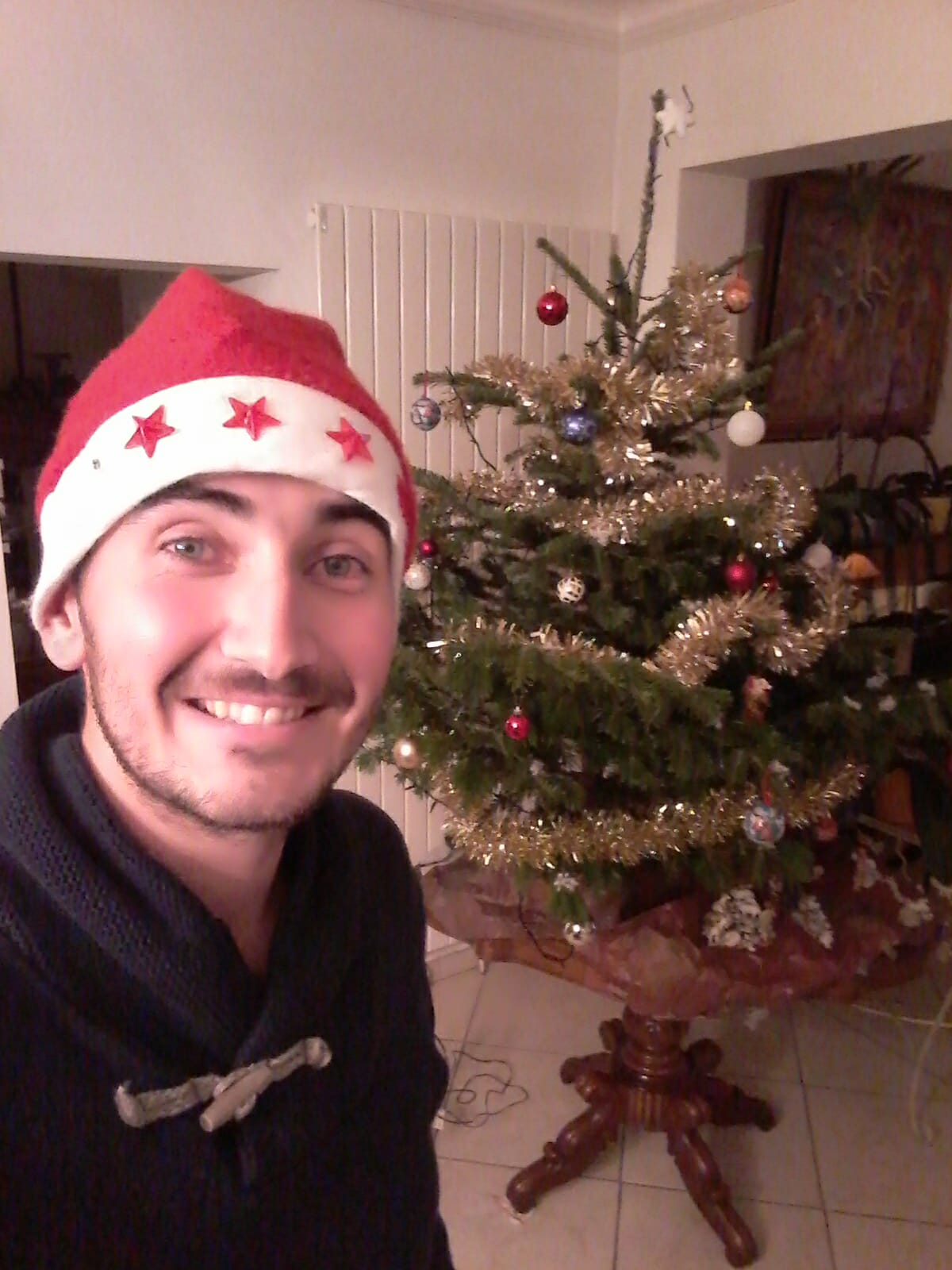
“Ever since I was young, my grandmother has organised a family meal for Christmas Eve. We have a great time every year with great food: appetizer cakes, liver duck with sweet white wine (foie gras), fish, sausage, grill duck with vegetables, cheese with red wine and Christmas log cake with champagne. At midnight, we open our presents.
On Christmas Day, we celebrate in my home. It is exactly the same type of meal but we change it up with a principal meal of lamb or pork or chicken.” – Jean Baptiste.
✨ The Cultures of Christmas- BELGIAN/ CHILEAN✨
“My mum is Belgian and my dad is from Chile so I celebrated Christmas in both countries throughout my life. Belgian Christmas is spent inside at home with the family as it is (hopefully/usually) snowy outside. The tradition is to start in the afternoon until late in the evening because of all the presents that need to be unpacked throughout the entire day.
Chilean Christmas is a summer thing. We will have dinner at home with the family and then during the evening, Santa will come visit us at home and deliver all the presents which we open all together at midnight. Afterwards we continue Christmas at the beach. Both of them have their own charms. Gelukkig Kerstfeest – Feliz Navidad!!!” – Alina.
⭐️ The Cultures of Christmas- CHINESE ⭐️

“I’ve celebrated almost every Christmas with my family and friends. Family is important in my culture and so we usually spend it by doing things together including watching a musical, going on a road trip, hitting up the festive spots in the city, or even going out for lunches and dinners.
Every now and then, I do fly back to Hong Kong to celebrate Christmas with all my relatives! You definitely feel the Christmas spirit a lot more there than you do here in Sydney. The city never sleeps, so at every hour from Christmas Eve all the way through to Boxing day, there’ll still be heaps of people on the streets celebrating the holiday season. Not only that, the shops are still open on Christmas Day, so it’s never too late to prepare for a huge Christmas feast even on the actual day!” – Flora.
❄️ The Cultures of Christmas- ITALIAN ❄️
“Christmas for Italians is a very special time of the year, particularly for the older generations as they generally have bigger Catholic beliefs. On the 24th of December, we go as a family to our local Catholic church in Rose Bay and then we return to our Nonna’s home for a large Christmas dinner. On Christmas Eve, we only eat fish and no meat due to our religious beliefs.
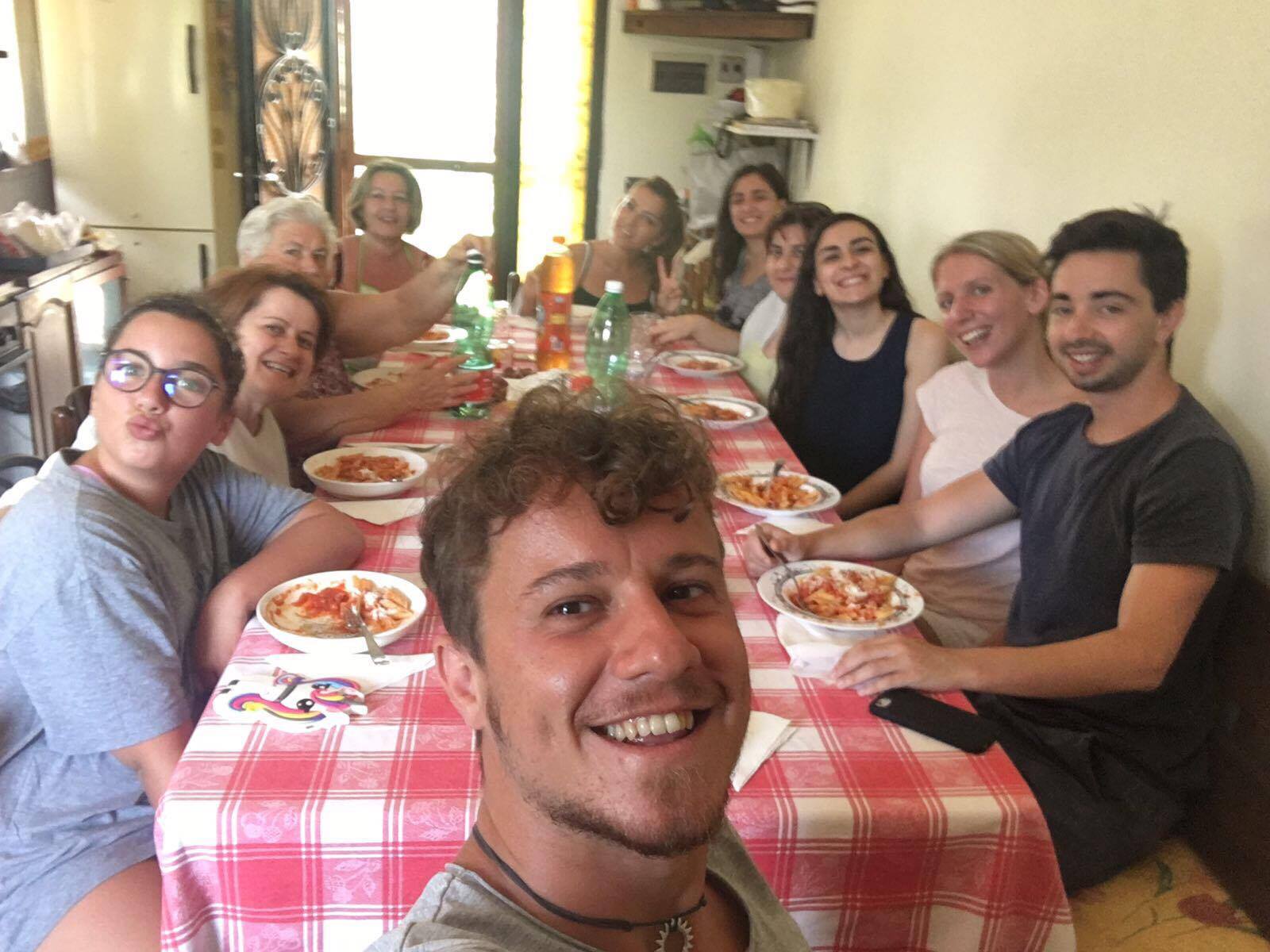
On Christmas Day, we open any presents that have been left under the tree and then we have a large Christmas lunch at any one of our relatives where we eat a mix of pasta, turkey, ham, etc.
What I like most about our Italian Christmas culture is the coming together of our family & distant relatives. Christmas is my favourite time of the year!” – Sam.
🎁 The Cultures of Christmas- BRAZILIAN 🎁
“In Brazil, the most important day is Christmas Eve. We go to church and then return home to eat a large feast at midnight. We have all our friends, relatives and neighbours over and everyone is listening to music, dancing, talking and laughing until 3 or 4 in the morning.
The feast is a mixture of Spanish and Portuguese. We have turkey and ham, potato salad and rice with seasonal fruits such as sultanas. There are two traditional foods which all Brazilian families eat and those are the “pernil” and “manjar.” Pernil is a slow-roasted marinated pork leg or shoulder and the manjar is a dessert made of goat’s milk with cherries and black sultanas on top. How could I forget the “farofa” as well. So delicious and it works really well with the pork.
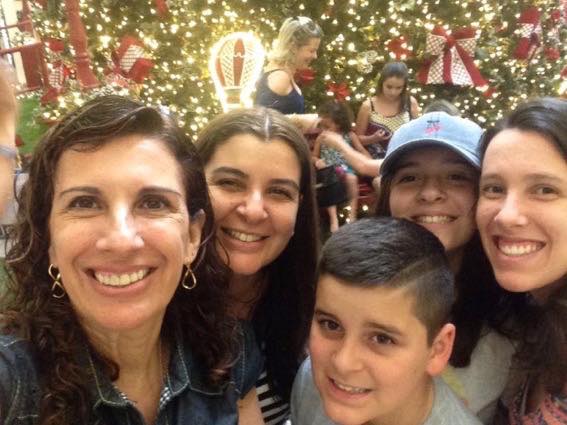
On Christmas morning, we make a nice breakfast called “rabanada.” Rabanada is a favourite in my family and it is basically a Brazilian french toast.
I really miss Christmas in Brazil. My favourite part is when we all sit together on the table, eating, talking and laughing. It is about sharing what happened in the past year and just reconnecting with everyone.” – Marcia (second from left).
🎅🏻 The Cultures of Christmas- GREEK 🎅🏻
“Since I was a kid, Christmas always meant family time, home made food, exchange of gifts, games, and even more food. OK, I’m not a child anymore, add drinking too!
Cold weather, a Christmas tree and traditional desserts with difficult-to-pronounce names like “μελομακάρονα,” “κουραμπιέδες,” and “δίπλες” complete the picture.
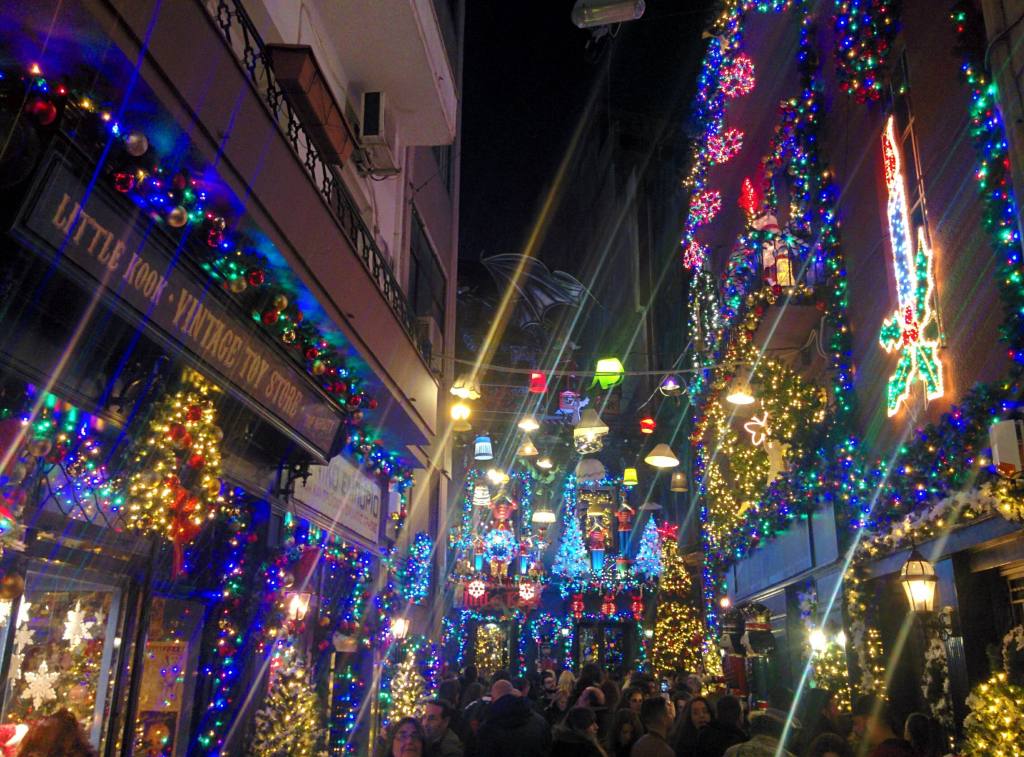
On Christmas Eve morning, we usually get woken by caroling children. Greek tradition calls for children to go out with triangles from house to house on Christmas Eve, sing the “κάλαντα,” ask for and get money gifts. Actually I pay them just to stop singing!
The rest of the day we usually go to downtown Athens to buy some presents and get some last minute groceries, in order to make preparations for the family dinner at home which includes lamb, pork and pies. We sit together until well past midnight eating, drinking and having fun, while on Christmas Day (if we survive the dinner) we may visit friends and relatives who celebrate their name day (it’s a Greek Orthodox thing).
Christmas is a great time to be with your family & friends, get some rest and have fun. Oh, and eat like there is no tomorrow…” – Konstantinos.
 Simos Standpoints