By Andriana Simos.
NOT every Greek migrant’s story starts with the saying “we came here with only one suitcase.” Many of the stories start earlier, in a time when their homeland wasn’t being ravaged by civil war and they could relish in the joy of living close to their family and friends. These are the stories that my grandmother shares with me as we sit down for our daily Greek coffee. It has been 61 years since she migrated to Australia from Greece and she still remembers how she would play games with her siblings or help out her mother in the village. For me, these memories are invaluable and yet, the people she spoke of seemed completely out of reach to me.
All this changed a few years ago when I became a member of something I’m going to call the ‘Return to the Homeland’ club. Second and third-generation children and grandchildren of migrants make up the majority of this club. They are returning to the homeland of their parents or grandparents as a way of reinforcing their ethnicity and reconnecting to a country they’ve heard of but never seen.
Chloe Kourtesis, 21, has been a member of this club since the tender age of four. Having grandparents from both Kavala in Northern Greece and Andros in the Cyclades, is something she has always been proud of. This pride led to her returning to their homeland a total of six times and in the process, she reconnected with her heritage and the family her grandparents left behind when they migrated to Australia in the 1950s and 60s.
“I chose to visit the homeland because I wanted to have a better understanding and knowledge of where my roots were from and the customs and traditions associated with the Greek culture. I also want to pass the Greek language and traditions onto my future children so that they too can have the same passion as I do for my family roots,” said Chloe.
“My grandmother on my father’s side and my aunty, uncle and baby cousin all live in Cyprus now and I also look forward to seeing them when I go overseas.”
Peter Liaskos, 22, was motivated by the same reasons as Chloe to return to his mother’s village, Antartiko, and the island of Lefkada where his maternal grandparents are from. He first travelled back to Greece with his parents in 2013 and has returned an additional two times in 2015 and 2017.
“I wanted to become close to my homeland and develop closer ties, to gain a dual citizenship and to visit my extended family. My visit made me better understand and appreciate my family’s ethnic history… and I realised the sacrifices my family made by migrating,” said Peter.
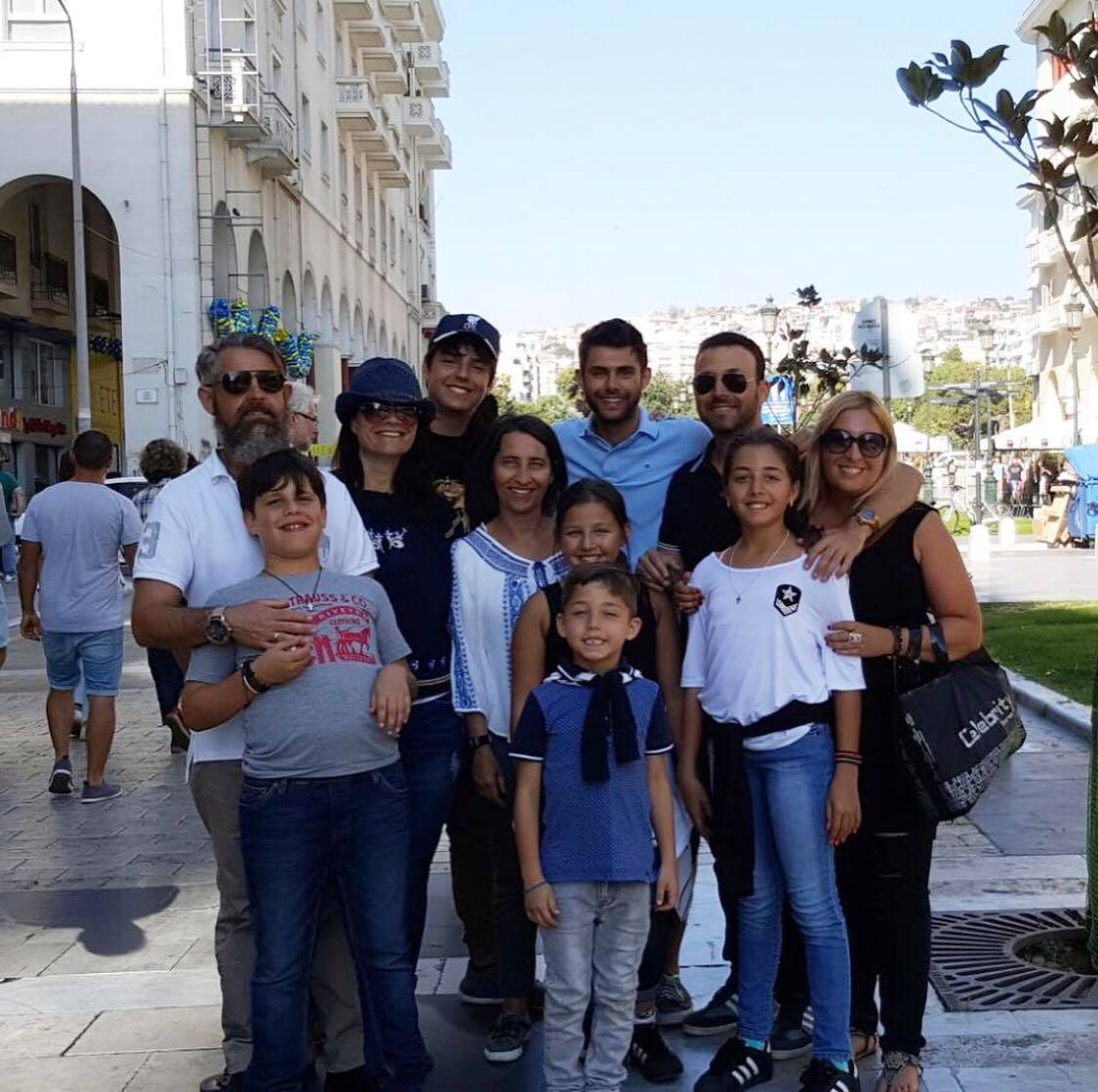
While studies have shown that some people who return to Greece face an ethnic identity crisis as they are considered “Australian” and not “Greek-Australian” or “Greek,” both Chloe and Peter said their experiences were really positive.
“I feel like I am where I belong and that there is a deep connection with the land and its people. It is a breathtaking feeling getting off the plane and hearing people speak a language that you can comprehend and communicate in, even though I live on the other side of the world,” said Chloe.
“Even with the current economic crisis in Greece, it’s amazing… that so many good Greek individuals demonstrate filotimo regardless of whether they are suffering or not. This filotimo has since been reflected in the way I was raised and I now understand that life is not about having all the materialist things but rather how we can help others who are less fortunate than us.”
Interestingly, these life lessons are not only exclusive to the children or grandchildren of Greek heritage. Many people from Lebanon and Egypt are also travelling back to their cultural roots as a way of reinforcing their ethnic identity and reawakening their connection with the homeland of their parents or grandparents. Janet Jammal, 26, belongs to this category as she embarked on the journey of a lifetime to the country her father and maternal grandparent’s called home- Lebanon.
“We chose to visit Lebanon because we wanted to experience our culture and heritage in a rich and authentic way,” said Janet.
“I will never forget visiting a monastery which had been built in honour of the martyrs who gave their lives for a number of Christians being persecuted at the time. The monastery was built into a rock and… we were in awe of how it brought so much hope and faith to us and others.”
Memories like these are what we bring back to Australia to share with our parents and grandparents. Chloe described how on her own return from Greece, her grandparents were extremely proud of her and she felt as though they were able to relive their own memories through her.
“My grandparents from Australia are incredibly proud and happy that we have been back and have an appreciation of their birth place. They are also saddened by the fact that they have not been back for many years and only wish that they could see their family members again,” said Chloe.
That’s the paradox of the ‘Return to the Homeland’ club – even though many migrants have not returned to their homeland for many years, their children and grandchildren are able to embark on that journey for them. Through the experiences of these second and third generations, the migrants can relive some of their happiest memories and reconnect with little pieces of their homeland which they might have lost over time. And trust me, being able to fill in some of the missing puzzle pieces is definitely worth it when you see that smile on their grateful faces.
 Simos Standpoints